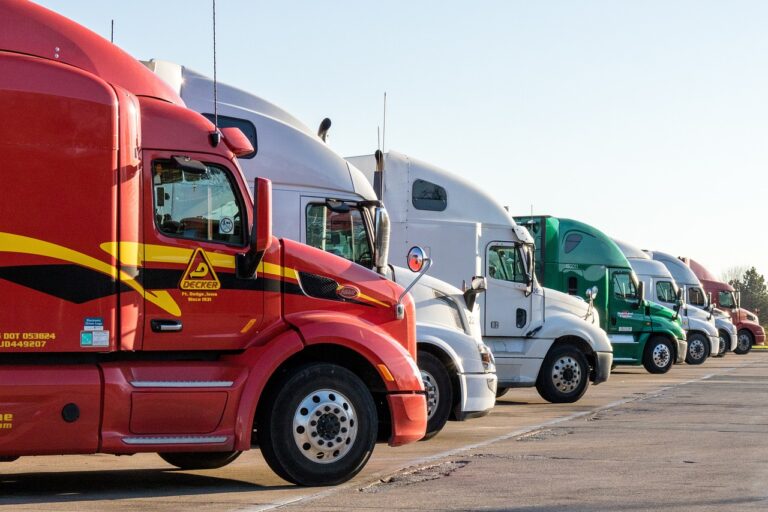

Truck Parking Layout & Dimensions: The Complete Design Guide for Property Owners in 2025
Truck parking layout and dimensions guide for property owners: Learn standard space requirements, revenue optimization, and design strategies. From 75’x14′ spaces to $500K+ annual revenue potential. With America’s truck parking shortage creating a $5.5 billion annual problem for the logistics industry, property owners have a unique opportunity to generate substantial revenue while solving a critical infrastructure need. However, designing an effective truck parking facility requires precise understanding of layout requirements, dimensional standards, and operational considerations.
This comprehensive guide covers everything property owners need to know about truck parking lot design, from standard dimensions to revenue optimization strategies.
Last updated: July 2025 | Reading time: 12 minutes
Table of Contents
- The Business Case for Truck Parking
- Standard Truck Parking Dimensions
- Essential Layout Configurations
- Site Requirements and Zoning
- Infrastructure and Safety Standards
- Revenue Optimization Strategies
- Technology Integration
- Regulatory Compliance
- Getting Started: From Land to Launch
The Business Case for Truck Parking
Market Demand Statistics
- 3.5 million active truck drivers nationwide
- 315,000 available parking spaces (massive shortage)
- $15-50 per night average parking rates
- 98% of drivers struggle to find parking regularly
- Growing e-commerce driving increased freight demand
Revenue Potential
A well-designed truck parking facility can generate significant returns:
- 10-space lot: $4,500-15,000 monthly gross revenue
- 25-space lot: $11,250-37,500 monthly gross revenue
- 50-space lot: $22,500-75,000 monthly gross revenue
Based on 60% average occupancy rates and $15-50 nightly rates
Standard Truck Parking Dimensions
Understanding proper truck parking dimensions is crucial for safety, efficiency, and maximizing your property’s revenue potential.
Individual Parking Space Requirements
| Vehicle Type | Length | Width | Total Space |
|---|---|---|---|
| Semi-Trailer Only | 55 feet | 14 feet | 770 sq ft |
| Truck + Trailer | 75 feet | 14 feet | 1,050 sq ft |
| Standard Tractor | 30 feet | 15 feet | 450 sq ft |
| Box Truck/Delivery | 25 feet | 12 feet | 300 sq ft |
Critical Maneuvering Space Requirements
Turning Radius Specifications:
- Inner turning radius: 28-35 feet minimum
- Outer turning radius: 40-60 feet (60 feet recommended)
- 180-degree turn clearance: 40 feet minimum radius
- Backing distance: 100 feet minimum clear space
Aisle Width Requirements:
- Two-way traffic: 36-40 feet minimum
- One-way traffic: 20-24 feet minimum
- Emergency access: 20 feet minimum (required by fire codes)
Vertical Clearance Standards
- Open lot parking: No height restrictions
- Covered parking: 14 feet minimum clearance
- Refrigerated units: 13.6 feet minimum (accounting for equipment)
- Specialized loads: 15-16 feet for oversized cargo
Essential Layout Configurations
Choosing the right layout configuration directly impacts your lot’s capacity, safety, and operational efficiency.
1. Parallel Parking Layout
Best for: Narrow, elongated lots adjacent to highways
Specifications:
- Parking spaces parallel to traffic flow
- Space dimensions: 75′ x 14′ for truck+trailer
- Aisle width: 20′ minimum for one-way traffic
- Efficiency: 65-70% land utilization
Advantages:
- Simple entry and exit
- Works with challenging lot shapes
- Lower construction costs
Disadvantages:
- Requires parallel parking skills
- Lower space efficiency
- Potential traffic bottlenecks
2. Angled Parking Layout (30-60 degrees)
Best for: Most commercial truck parking applications
Configurations:
- 30-degree angle: Easier backing, requires 24′ aisle width
- 45-degree angle: Good balance of efficiency and maneuverability
- 60-degree angle: Maximum efficiency, requires skilled drivers
Space Calculations (45-degree example):
- Effective length: 53 feet
- Effective width: 16 feet
- Aisle width: 26 feet minimum
- Efficiency: 75-80% land utilization
Advantages:
- Highest space efficiency
- Good traffic flow
- Professional appearance
Disadvantages:
- More complex design
- Higher construction costs
- Requires larger lots
3. Perpendicular Parking Layout (90 degrees)
Best for: Large, square lots with high turnover
Specifications:
- Space dimensions: 75′ x 14′ for truck+trailer
- Aisle width: 36′ minimum for two-way traffic
- Efficiency: 70-75% land utilization
Advantages:
- Easiest backing and maneuvering
- Works for all driver skill levels
- Simple geometric design
Disadvantages:
- Requires widest aisles
- Lower space efficiency than angled
- Higher land requirements
Site Requirements and Zoning
Optimal Site Characteristics
Location Factors:
- Highway proximity: Within 5 miles of major interstate
- Industrial zoning: M1, M2, or I1 classifications preferred
- Truck route access: Legal truck traffic corridors
- Visibility: Clear signage sight lines from roadway
Physical Requirements:
- Minimum size: 2-3 acres for viable operation
- Topography: Maximum 5% grade preferred
- Soil conditions: Suitable for heavy load bearing
- Drainage: Natural drainage or ability to install systems
Zoning Considerations by Area Type
| Zone Type | Suitability | Special Requirements |
|---|---|---|
| Industrial (M1/M2) | Excellent | Standard permitting |
| Commercial Heavy | Good | Traffic impact study |
| Agricultural | Possible | Conditional use permit |
| Residential | Not Permitted | Zoning change required |
Permitting Requirements
- Business license: Municipal/county registration
- Zoning compliance: Certificate of occupancy
- Environmental: Stormwater management permits
- Fire department: Emergency access approval
- DOT coordination: If accessing state highways
Infrastructure and Safety Standards
Pavement Requirements
Load-Bearing Specifications:
- Concrete: 6-8 inches thick, 3,000+ PSI
- Asphalt: 4-6 inches over 6″ aggregate base
- Alternative: Permeable pavers (TRUEGRID PRO PLUS rated H20/HS20+)
- Loading areas: 25% thicker pavement for frequent heavy loads
Drainage Systems:
- Slope: 1-2% grade toward drainage points
- Storm drains: Every 300-400 feet in paved areas
- Retention: May require on-site stormwater management
- Permeable options: Reduce drainage infrastructure needs
Security Infrastructure
Lighting Requirements:
- Illumination level: 2-5 foot-candles minimum
- Coverage: Eliminate dark spots and shadows
- Energy efficiency: LED fixtures with smart controls
- Emergency lighting: Battery backup systems
Access Control:
- Perimeter fencing: 6-8 feet chain link with privacy slats
- Gated access: Automated or staffed entry points
- Surveillance: Security cameras with night vision
- Emergency access: Fire department key box systems
Amenity Considerations
Essential Facilities:
- Restrooms: ADA-compliant facilities
- Water access: Potable water for drivers
- Waste management: Dumpster access and pickup
- Signage: Clear directional and regulatory signs
Value-Added Amenities:
- WiFi: Internet access for electronic logs
- Electrical hookups: 30/50 amp service for refrigerated units
- Fuel services: On-site fueling or nearby access
- Driver lounge: Break room with seating
Revenue Optimization Strategies
Pricing Structure Models
Flat Rate Pricing (learn more):
- Daily rates: $15-30 for standard parking
- Weekly rates: $90-180 (15-20% discount)
- Monthly rates: $300-600 (30-40% discount)
Dynamic Pricing:
- Peak demand: Higher rates during busy periods
- Seasonal adjustments: Winter weather premiums
- Special events: Rate increases during local events
- Early booking: Discounts for advance reservations
Tiered Service Levels:
- Basic parking: Standard rates, minimal amenities
- Premium spots: 25-50% premium for preferred locations
- Full service: Highest rates with all amenities included
Space Mix Optimization
80/20 Rule Application:
- 80%: Standard truck+trailer spaces (75′ x 14′)
- 20%: Mixed use (tractor-only, box trucks, oversized)
Revenue per Square Foot Analysis:
- Standard space: $0.02-0.05 per sq ft per day
- Premium space: $0.03-0.07 per sq ft per day
- Amenity revenue: Additional 10-20% gross revenue
Technology Integration for Higher Revenue
Digital Reservation Systems:
Using platforms like RigLots can increase revenue by:
- Reducing vacancy: 15-25% improvement in occupancy
- Premium pricing: 10-20% higher rates for guaranteed spots
- Operational efficiency: 50% reduction in management time
- Customer data: Insights for pricing optimization
RigLots Platform Benefits:
- 800+ verified spaces across 9 states demonstrate market demand
- Mobile-first booking preferred by 89% of drivers
- Automated payments reduce collection issues
- Real-time availability prevents overbooking
- Host support services including property optimization
Technology Integration
Modern Booking Platforms
Essential Features:
- Real-time availability: Prevent double bookings
- Mobile optimization: 90% of truckers use smartphones
- Payment processing: Secure, automated transactions
- GPS integration: Turn-by-turn directions to exact spots
Advanced Features:
- Gate integration: Automated access control
- License plate recognition: Enhanced security tracking
- IoT sensors: Automated space monitoring
- Weather integration: Dynamic pricing based on conditions
Recommended Technology Stack
- Booking Platform: RigLots for proven market presence
- Access Control: Automated gate systems with mobile unlock
- Security: IP cameras with cloud storage
- Lighting: Smart LED systems with motion activation
- Payment: Integrated processing with mobile receipts
Regulatory Compliance
Federal Requirements
- ADA compliance: Accessible spaces if public accommodation
- DOT regulations: Understanding HOS impact on parking demand
- Environmental: Stormwater management under Clean Water Act
- Fire codes: Emergency vehicle access requirements
State and Local Regulations
- Business licensing: Municipal permits and inspections
- Zoning compliance: Conditional use permits may be required
- Tax obligations: Property tax reassessment considerations
- Building codes: Electrical, plumbing, and structural requirements
Insurance Considerations
- General liability: $1-2 million minimum coverage
- Property insurance: Coverage for improvements and equipment
- Commercial auto: If providing shuttle services
- Workers compensation: If employing staff
Getting Started: From Land to Launch
Phase 1: Feasibility Analysis (Weeks 1-4)
Market Research:
- Traffic counts: Verify truck volume on nearby routes
- Competition analysis: Existing parking within 20-mile radius
- Demand assessment: Contact local fleets and logistics companies
- Revenue projections: Conservative estimates based on 40-60% occupancy
Site Evaluation:
- Zoning verification: Confirm permitted uses
- Engineering assessment: Soil conditions and drainage
- Access evaluation: Truck route compatibility
- Utility availability: Electric, water, sewer connections
Phase 2: Design and Permitting (Weeks 5-16)
Professional Services:
- Civil engineer: Site design and drainage plans
- Surveyor: Boundary and topographic surveys
- Architect: Building design if adding structures
- Attorney: Contract review and permit applications
Design Optimization:
- Layout efficiency: Maximize revenue per acre
- Traffic flow: Minimize conflicts and bottlenecks
- Future expansion: Plan for growth opportunities
- Technology integration: Infrastructure for smart systems
Phase 3: Construction (Weeks 17-28)
Site Preparation:
- Clearing and grading: Establish proper drainage slopes
- Utility installation: Electrical, water, sewer rough-in
- Aggregate base: Proper foundation for pavement
- Drainage systems: Storm drains and retention areas
Infrastructure Installation:
- Pavement: Concrete, asphalt, or permeable pavers
- Lighting: LED fixtures with smart controls
- Fencing: Security perimeter with access gates
- Utilities: Final electrical, plumbing, and telecom connections
Phase 4: Technology and Launch (Weeks 29-32)
Technology Setup:
- Platform integration: RigLots onboarding and setup
- Security systems: Camera installation and monitoring
- Access control: Gate automation and mobile systems
- Payment integration: Processing setup and testing
Soft Launch:
- Beta testing: Limited operation with select customers
- System validation: Ensure all technology functions properly
- Staff training: If applicable, train management personnel
- Marketing launch: Full promotion and customer acquisition
Financial Projections and ROI
Startup Investment Range
| Component | Small (10 spaces) | Medium (25 spaces) | Large (50 spaces) |
|---|---|---|---|
| Land | $200K-400K | $400K-800K | $800K-1.5M |
| Site prep | $50K-100K | $100K-200K | $200K-350K |
| Pavement | $75K-125K | $150K-300K | $300K-500K |
| Infrastructure | $50K-100K | $100K-200K | $200K-350K |
| Technology | $25K-50K | $50K-100K | $75K-150K |
| Total | $400K-775K | $800K-1.6M | $1.6M-2.9M |
Revenue Projections (Annual)
| Scenario | Occupancy | Avg Rate | Small Lot | Medium Lot | Large Lot |
|---|---|---|---|---|---|
| Conservative | 40% | $20 | $29K | $73K | $146K |
| Realistic | 60% | $25 | $55K | $137K | $274K |
| Optimistic | 80% | $35 | $102K | $256K | $511K |
Break-Even Analysis
- Small lot: 18-24 months
- Medium lot: 24-36 months
- Large lot: 36-48 months
Assumes conservative revenue projections and includes operating expenses
Conclusion
The truck parking shortage represents one of the most significant infrastructure challenges—and business opportunities—in modern logistics. Property owners who understand proper truck parking layout and dimensions can create profitable facilities that serve a critical market need.
Success requires attention to three key areas:
- Proper dimensional planning for safety and efficiency
- Strategic technology integration for operational excellence
- Revenue optimization through smart pricing and service levels
With platforms like RigLots providing turnkey technology solutions and growing demand from 3.5 million drivers, there has never been a better time to enter the truck parking business.
Ready to transform your underutilized land into a profitable truck parking facility? Contact RigLots today to learn how our platform can help you maximize revenue while serving America’s hardworking truck drivers.
Frequently Asked Questions
Q: How much land do I need for a profitable truck parking lot? A: A minimum of 2-3 acres is recommended for a viable operation. This typically accommodates 15-25 trucks with proper layout and infrastructure.
Q: What’s the difference between truck parking space dimensions and car parking? A: Truck spaces are dramatically larger—75′ x 14′ for truck+trailer vs 9′ x 18′ for cars. Trucks also need much wider aisles (36′ vs 24′) for maneuvering.
Q: Can I convert an existing parking lot to truck parking? A: Possibly, but you’ll need to verify pavement thickness (6-8″ concrete minimum), redesign the layout for proper dimensions, and upgrade lighting and security.
Q: How do I price my truck parking competitively? A: Research local rates ($15-50/night typical range), consider your amenities, and use dynamic pricing for peak demand periods. Technology platforms like RigLots provide market data.
Q: What’s the biggest mistake property owners make? A: Underestimating space requirements. Many owners try to fit too many trucks in too small a space, creating safety hazards and operational problems.
Q: How long does it take to build a truck parking facility? A: From land acquisition to opening, expect 6-12 months depending on permitting, site conditions, and complexity. Simple conversions can be faster.
This comprehensive guide for Truck Parking Layout & Dimensions was created by RigLots, the Southeast’s leading truck parking marketplace. With 615+ verified spaces across 8 states, RigLots helps property owners maximize revenue while connecting drivers with secure parking. Visit riglots.com to learn more.