Truck Parking Lots vs Rest Areas: The Complete Driver’s Guide to Safe Parking in 2025
Last updated: July 2025 | Reading time: 8 minutes
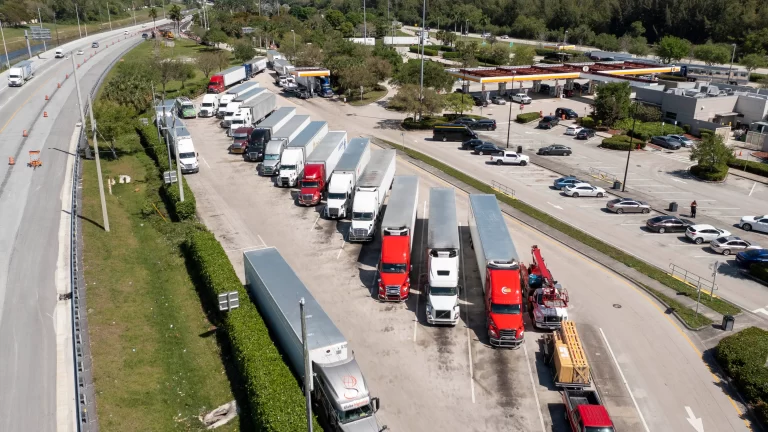
Rest areas vs truck parking lots: Which is better for truck drivers? Compare costs, safety, and availability of both options. Finding safe, legal truck parking has become one of the biggest challenges facing America’s 3.5 million truck drivers. With only 315,000 available parking spots nationwide, 98% of drivers regularly struggle to find adequate parking, leading to dangerous decisions that compromise both safety and compliance with Hours of Service (HOS) regulations.
Understanding the differences between truck parking lots and rest areas can help you make smarter parking decisions, save time, and stay compliant. This comprehensive guide breaks down everything you need to know about both options.
Table of Contents
- The Current Truck Parking Crisis
- What Are Rest Areas?
- What Are Truck Parking Lots?
- Key Differences: Rest Areas vs Truck Parking Lots
- When to Choose Rest Areas
- When to Choose Truck Parking Lots
- Safety Considerations
- Cost Comparison
- Finding Available Parking
- The Future of Truck Parking
The Current Truck Parking Crisis
The truck parking shortage isn’t just an inconvenience—it’s a crisis that costs drivers money, time, and safety. Here are the sobering statistics:
- 56 minutes: Average daily drive time wasted searching for parking
- $5,500: Annual loss per driver due to wasted fuel and time
- 58%: Percentage of drivers who park in unauthorized areas at least three times per week
- 3.5 million: Active truck drivers competing for limited spots
This shortage forces drivers into dangerous situations, parking on highway ramps, shoulders, and abandoned lots—putting everyone at risk.
What Are Rest Areas?
Rest areas are government-operated facilities strategically located along major highways and interstates. They’re designed to provide all travelers, including truck drivers, with a safe place to take mandatory breaks and comply with DOT regulations.
Typical Rest Area Features:
- Basic amenities: Restrooms, picnic tables, vending machines
- Minimal infrastructure: Simple parking spaces without specialized truck services
- Free access: No fees for parking or facility use
- Limited capacity: Usually accommodates 8-80 trucks depending on size
- No overnight restrictions: Most allow legal parking for HOS compliance
- Strategic placement: Located along major shipping corridors
Rest Area Limitations:
- No fuel, food services, or showers
- Limited security (no fencing or lighting)
- First-come, first-served basis
- Often fill up quickly, especially in high-traffic areas
- Minimal maintenance and cleaning
- No reservations possible
What Are Truck Parking Lots?
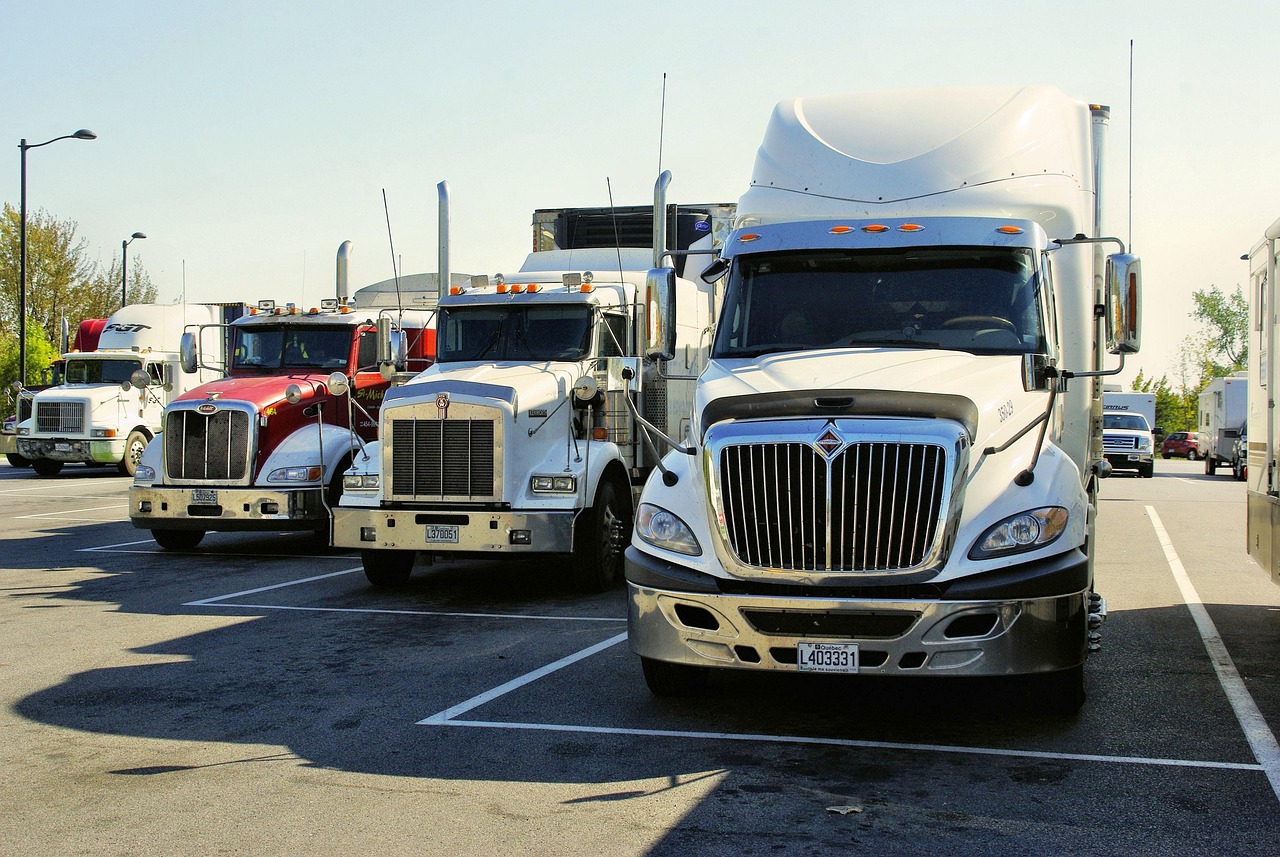
Truck parking lots are commercial or private facilities specifically designed to meet the needs of professional truck drivers. These dedicated spaces prioritize security, accessibility, and driver comfort for extended stays.
Typical Truck Parking Lot Features:
- Enhanced security: Gated access, security lighting, surveillance cameras
- Driver amenities: Some offer restrooms, WiFi, and basic facilities
- Truck-specific design: Proper turning radius and maneuvering space
- Reservation capabilities: Many allow advance booking through apps like RigLots
- Strategic locations: Near industrial centers, ports, and major shipping hubs
- Better maintenance: Regular cleaning and upkeep
Types of Truck Parking Lots:
- Commercial truck stops (with full services)
- Dedicated parking facilities (parking-only)
- Industrial lot overflow (repurposed commercial space)
- Private host properties (landowners monetizing unused space)
Key Differences: Rest Areas vs Truck Parking Lots
| Feature | Rest Areas | Truck Parking Lots |
|---|---|---|
| Cost | Free | $15-$50 per night |
| Security | Minimal | Enhanced (lighting, fencing, cameras) |
| Availability | First-come, first-served | Often reservable |
| Amenities | Basic (restrooms, tables) | Variable (WiFi, showers, food) |
| Capacity | Limited, fills quickly | Generally more flexible |
| Location | Highway-adjacent | Strategic commercial areas |
| Stay Duration | Short to overnight | Overnight to extended |
| Maintenance | Government-funded | Private/commercial standards |
| Accessibility | 24/7 (when open) | Varies by facility |
When to Choose Rest Areas
Rest areas work best for specific situations:
✅ Ideal for:
- Short breaks (30 minutes to 2 hours)
- Mandatory rest periods when you need to stop immediately
- Budget-conscious parking (completely free)
- Emergency stops when HOS limits are approaching
- Quick compliance breaks during long hauls
⚠️ Best Practices:
- Arrive early in the day for better space availability
- Have backup options planned
- Park in designated truck areas only
- Be prepared for limited facilities
- Check state-specific overnight parking rules
When to Choose Truck Parking Lots
Truck parking lots are better suited for:
✅ Ideal for:
- Overnight rest (10-hour breaks)
- Extended stays (34-hour restarts)
- High-value cargo requiring enhanced security
- Planned stops where you can book ahead
- Areas with limited rest area availability
- Driver comfort when amenities matter
💡 Advantages:
- Guaranteed parking with reservation systems
- Better security for you and your cargo
- Predictable costs for budgeting
- Professional facilities with regular maintenance
- Strategic locations near delivery points
Safety Considerations
Rest Area Safety Tips:
- Park in well-lit areas when possible
- Lock your truck and avoid leaving valuables visible
- Be aware of your surroundings, especially at night
- Report suspicious activity to authorities
- Keep important documents secure
Truck Parking Lot Safety Benefits:
- Controlled access reduces unauthorized visitors
- Security lighting deters criminal activity
- Regular patrols or surveillance systems
- Fellow professional drivers create safer environment
- Emergency contact information readily available
Cost Comparison
Rest Areas:
- Direct cost: $0
- Hidden costs: Fuel waste searching for spots, potential fines for illegal parking
- Time cost: 56 minutes average daily search time
- Annual impact: $5,500+ in lost productivity
Truck Parking Lots:
- Direct cost: $15-$50 per night (varies by location and amenities)
- Value added: Time savings, security, guaranteed availability
- ROI calculation: Cost often offset by fuel savings and reduced stress
- Professional expense: Tax-deductible business cost
Finding Available Parking
Traditional Methods:
- CB radio for real-time updates
- Trucker forums and social media groups
- Word-of-mouth from other drivers
- Truck stop directories
Modern Technology Solutions:
RigLots App 🚛
The newest and most innovative solution for truck parking:
- 615+ verified parking spaces across Alabama, Florida, Utah, Georgia, Tennessee, Texas, South Carolina, and Maryland
- Real-time availability with instant booking confirmation
- Secure payment processing through the app
- Property verification and safety compliance checks
- GPS-enabled directions to exact parking locations
- 24/7 customer support for peace of mind
- Competitive rates starting at $15/night
Download RigLots on the App Store and Google Play
Other Parking Apps:
- Truck Parking Club (1,900+ locations)
- TruckLots (Northeast focus)
- Park My Truck (directory-style)
Regional Parking Challenges
Southeast Corridor (RigLots’ Primary Coverage):
- High demand from port traffic and manufacturing
- Limited public rest areas relative to truck volume
- Growing e-commerce increasing delivery demand
- Weather challenges affecting parking availability
Solutions for Southeast Drivers:
RigLots specifically addresses Southeast parking challenges with:
- Strategic property placement along I-10, I-65, and I-75 corridors
- Verified host properties near major shipping hubs
- Mobile-first platform designed for on-the-go booking
- Local customer support understanding regional needs
The Future of Truck Parking
Industry Trends:
- Technology integration: Apps and reservation systems becoming standard
- Private investment: More landowners entering the parking market
- Government initiatives: Infrastructure bills addressing parking shortages
- Smart parking: IoT sensors for real-time availability tracking
What This Means for Drivers:
- More booking options and guaranteed availability
- Better integration with route planning software
- Improved safety and security standards
- Competitive pricing as supply increases
Making the Right Choice
The decision between rest areas and truck parking lots depends on your specific situation:
Choose Rest Areas When:
- You need a quick, free break
- You arrive early enough to secure a spot
- Budget is the primary concern
- You’re comfortable with basic facilities
Choose Truck Parking Lots When:
- You need guaranteed overnight parking
- Security is important for your cargo
- You prefer amenities and services
- You can plan ahead and book in advance
Conclusion
Both rest areas and truck parking lots serve important roles in addressing America’s truck parking crisis. While rest areas provide essential free stops for breaks and emergency parking, dedicated truck parking lots offer the security, reliability, and professional facilities that today’s trucking industry demands.
As the industry evolves, technology-driven solutions like RigLots are making it easier for drivers to find, book, and pay for secure parking. With 615+ verified spaces across eight states and growing, RigLots represents the future of truck parking—predictable, professional, and designed specifically for drivers’ needs.
Ready to skip the parking search stress? Download the RigLots app today and join the growing community of drivers who’ve discovered a better way to park.
Frequently Asked Questions
Q: Can I park overnight at rest areas? A: Most states allow overnight parking at rest areas for HOS compliance, but check state-specific regulations. Some rest areas have time limits or restrictions.
Q: How much does truck parking typically cost? A: Dedicated truck parking lots typically charge $15-$50 per night, depending on location, amenities, and demand. RigLots offers competitive rates starting at $15/night.
Q: Is it safe to park at rest areas? A: Rest areas are generally safe but offer minimal security. For high-value cargo or enhanced peace of mind, secured truck parking lots are recommended.
Q: How far in advance can I book parking? A: With apps like RigLots, you can book parking in advance—from hours to days ahead. This guarantees your spot and eliminates arrival uncertainty.
Q: What happens if I can’t find parking before my HOS runs out? A: Plan multiple backup options along your route. Use apps like RigLots to identify and reserve spots before you need them. Never compromise safety by driving beyond your legal limits.
This article was created by RigLots, the mobile-first truck parking marketplace connecting drivers with secure, verified parking across the Southeast. For more trucking industry insights and parking tips, visit riglots.com.